

In recent years, the steel industry has been facing dual pressures from environmental protection regulations and sustainable resource utilization requirements. As a by-product of steelmaking, steel slag presents both a challenge and an opportunity for enterprises. The development of specialized steel slag processing equipment and steel slag hot steaming production lines has become a core focus in many steel plants worldwide. These technologies not only help reduce industrial waste but also transform steel slag into valuable raw materials for construction, road building, and cement manufacturing.
Growing Market Demand for Steel Slag Processing Solutions
With the global steel output steadily increasing, the accumulation of steel slag has become a major environmental concern. Traditional disposal methods, such as landfilling, are no longer viable due to land scarcity and environmental risks. This has driven significant demand for advanced steel slag processing equipment capable of crushing, magnetic separation, fine grinding, and grading. The introduction of automated steel slag hot steaming production lines allows for the accelerated aging and volume stability of steel slag, making it suitable for various industrial applications.
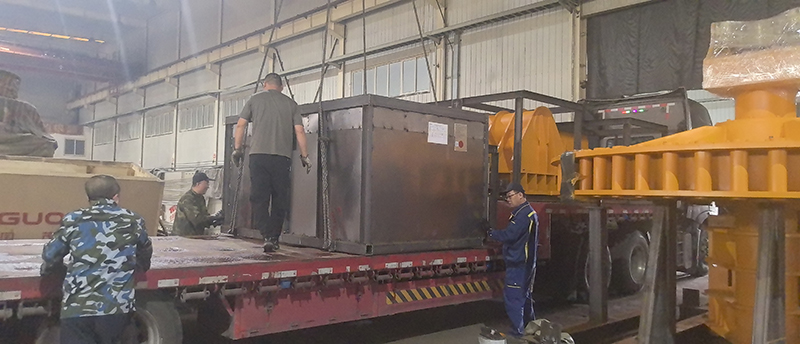
Advantages of Steel Slag Hot Steaming Technology
The steel slag hot steaming production line is designed to address the key problem of free lime (f-CaO) content in freshly produced steel slag. By using high-temperature steam treatment in a controlled environment, the process promotes hydration and expansion of free lime, stabilizing the volume and preventing long-term cracking when used as aggregate.
Key benefits include:
1. Shortened Treatment Cycle – Hot steaming reduces natural aging time from months to a few hours.
2. Improved Material Stability – Ensures consistent volume stability for use in asphalt and concrete.
3. Enhanced Resource Utilization – Maximizes the value of steel slag in infrastructure projects.
4. Reduced Environmental Footprint – Minimizes dust and leachate emissions during processing.