

In the steel industry, environmental sustainability and resource recycling have become major trends, and steel slag treatment equipment combined with steel slag hot stuffing production lines are playing an increasingly vital role in achieving these goals. As steel production continues to expand globally, the effective utilization and harmless disposal of steel slag have become essential for both environmental protection and economic efficiency.
The steel slag hot stuffing production line represents an innovative approach to resource recycling. In this process, freshly discharged molten steel slag is directly fed into a specialized treatment system where it undergoes thermal stabilization and expansion. This prevents the formation of unstable minerals, reduces dust emissions, and significantly improves the final product’s quality. Compared with traditional cold treatment, hot stuffing offers higher recovery rates, lower energy consumption, and reduced environmental impact.
Globally, many steel enterprises are upgrading their waste treatment systems by integrating steel slag hot stuffing production lines with intelligent control systems. These automated solutions allow real-time monitoring of temperature, pressure, and material flow, ensuring process stability and maximizing output efficiency. In addition, the combination of high-efficiency crushers, vibrating screens, and advanced magnetic separators ensures that the recovered metal content meets strict quality standards for reuse in steel production.
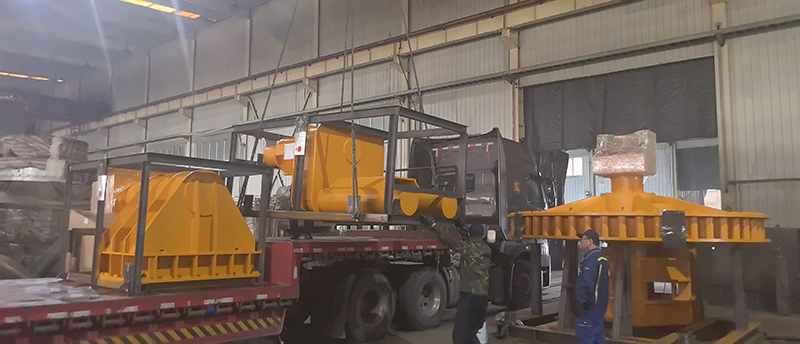
From an environmental perspective, modern steel slag treatment equipment significantly reduces landfill use and minimizes greenhouse gas emissions. By recycling steel slag into aggregates, cement additives, and construction materials, steelmakers can reduce dependence on natural resources, lower production costs, and meet stricter environmental regulations. This not only contributes to circular economy principles but also strengthens corporate competitiveness in the global market.
The application of steel slag hot stuffing production lines is also expanding beyond steel mills. In cement plants, treated slag can be used as an active mineral admixture, improving cement strength and durability. In the construction industry, it can serve as a base material for roadbeds and high-performance concrete. Such diversified utilization pathways create a sustainable industrial chain, turning what was once considered waste into valuable resources.
In conclusion, the development of steel slag treatment equipment and steel slag hot stuffing production lines marks a major step forward for green steelmaking. By combining high-efficiency recovery with environmental protection, these technologies help steelmakers reduce waste, lower costs, and create new business opportunities. As the global steel industry continues to evolve, companies that invest in these solutions will be well-positioned to meet future challenges and lead the transition toward a sustainable, resource-efficient future.